Put operating cost in context
Light refrigerated van truck price by delivery duty
A price request becomes useful when the route, body and temperature requirements are defined. Compare factory responses for the actual cargo operation and retain delivery costs as separate items.
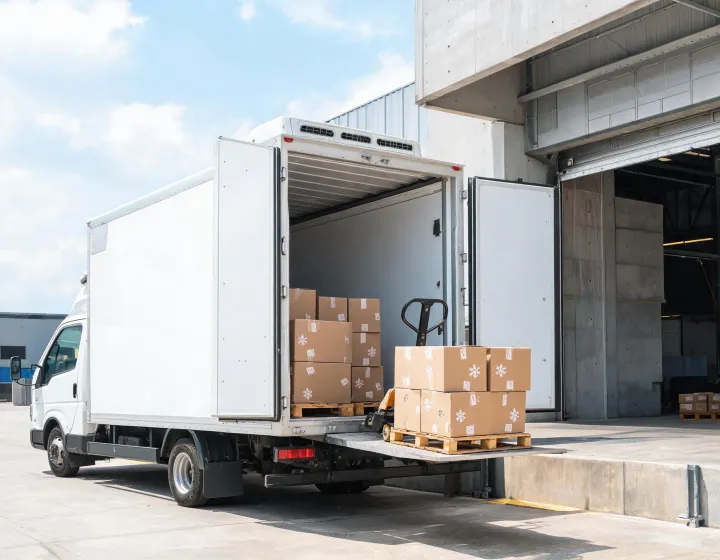
Translate the route into comparison fields
Retail chilled routes
For frequent shop deliveries, document stop count, door openings and loading restrictions. Ask whether the proposed unit is selected for the stated ambient duty and preconditioned cargo; temperature recovery evidence needs defined conditions rather than a single catalog setpoint.
Frozen depot transfers
For longer loaded runs, specify cargo mass, packaging and pallet dimensions. Extra insulation may reduce available box volume and add weight. Compare the completed truck's payload and axle ratings against the actual load plan, including the refrigeration assembly.
Urban catering deliveries
For restricted loading streets, submit vehicle height, wheelbase, turning constraints and dock access. Compact body dimensions can aid access while limiting pallet capacity; decide whether smaller batches or a different delivery plan better fits the business duty.
Separate purchase price from procurement cost
| Comparison item | Required basis | Evidence to request |
|---|---|---|
| Completed vehicle | One body dimension, powertrain, refrigeration specification and quantity. | Itemized vehicle offer with included fittings, exclusions and validity. |
| Load and route fit | Payload in lb or kg, GVWR, GAWR, wheelbase in in or mm and actual load distribution. | Exact configuration rating sheet and completed weight or loading calculation. |
| Delivery scope | One Incoterm, destination and inspection scope. | Separate inspection, inland transport, freight, duty and destination service lines. |
A lower factory line item can exclude equipment or destination costs that another proposal includes. Compare scope before comparing totals; this site has no like-for-like price evidence supporting a savings claim.
Test the assumptions in each offer
These are procurement verification paths, not completed test results. Record the source document, conditions, deviations and the person responsible for accepting each response.
Temperature demonstration
Ask the supplier to propose a demonstration with ambient conditions, cargo loading temperature, door schedule and sensor locations stated. Review time-stamped readings and acceptance criteria with the buyer's technical team; an empty-body demonstration cannot establish every loaded-route outcome.
Powertrain alternatives
Diesel and electric options need different support assumptions. An electric quote should distinguish nominal from usable battery capacity in kWh, charging connector and range test cycle; refrigeration load and route conditions affect real duty range. No range value is promised here.
Documents and destination
Request documents that identify model year and exact configuration. Family brochures and company certificates do not establish US import or registration acceptance. For used options, add VIN, mileage, inspection findings and dated condition images before approval.
Describe the route before asking for a number
Tell us cargo temperature, daily operating pattern, quantity and destination. Use vehicle inquiry options to start or compare the RFQ preparation steps.
Share Requirements